

Living with arthritis can turn even the simplest daily tasks into a challenge. Whether it’s knee pain while standing up, stiffness during morning walks, or discomfort when climbing stairs, arthritis affects mobility in ways many people don’t expect until they experience it firsthand.
In 2025, the good news is that mobility aids for arthritis have become smarter, lighter, and more personalized than ever before.
Seniors no longer have to feel restricted or dependent because the right mobility aid can help restore confidence, comfort, and independence.
If you or a loved one is dealing with arthritis, choosing the right mobility aid is not just about support it’s about improving quality of life.
This guide will walk you through the best mobility aids for arthritis, what to look for, and how MyRideAid’s supportive services can help you pick the perfect fit.
Understanding Arthritis and Mobility Needs

Arthritis isn’t just joint pain. It’s a condition that affects movement, balance, grip strength, endurance, and stability. Osteoarthritis and rheumatoid arthritis are the most common types among seniors, and both can cause:
- Difficulty standing for long periods
- Pain while walking
- Fatigue during everyday tasks
- Reduced hand strength for gripping aids
- Instability on uneven surfaces
This is why selecting the right mobility aids for arthritis device is essential. The wrong aid can strain joints even more, while the right aid makes movement feel smoother, lighter, and more secure.
A helpful first step is getting a simple evaluation of walking patterns and joint limitations. MyRideAid’s Mobility Assessment Service can assist families in identifying what kind of support works best:
1. Rollators Best for Knee & Hip Arthritis

Rollators are among the most popular mobility aids for arthritis, and for good reason. They offer support without restricting movement, making them ideal for seniors who want to stay active but need help with balance and joint pressure.
Why Rollators Work Well for Arthritis
- Reduce pressure on knees and hips
- Allow longer walks without fatigue
- Provide a built-in seat for resting
- Lightweight frames don’t strain wrists
- Easy to maneuver indoors and outdoors
With 1 in 4 seniors experiencing a fall every year, using a rollator reduces risks by offering consistent support with every step.
However, picking the right rollator matters. Some models are better for arthritis because they include soft-grip handles, shock-absorbing wheels, and adjustable height options.
If you’re unsure which type suits your condition, MyRideAid’s mobility assessment can simplify the decision.
2. Canes Ideal for Early-Stage Arthritis or Mild Joint Support
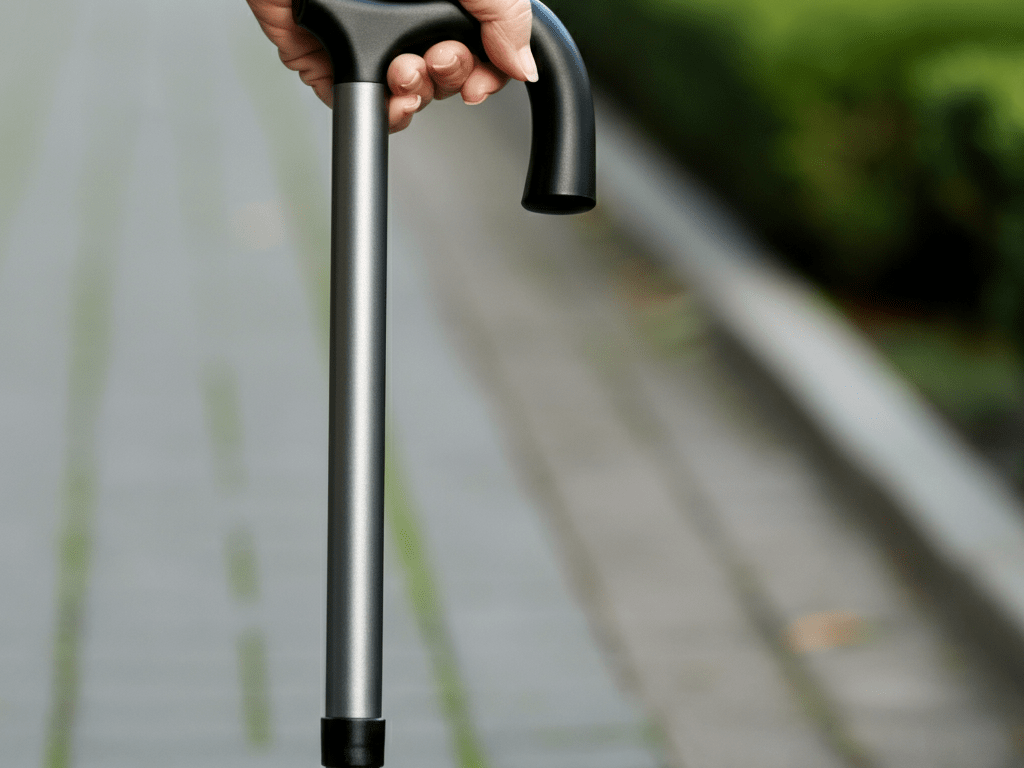
For those with mild arthritis symptoms, a cane can provide just enough support to make walking more comfortable without limiting motion. Modern canes are significantly improved compared to traditional metal sticks.
Best Features for Arthritis-Friendly Canes
- Curved ergonomic handles easy on wrist joints
- Shock-absorbing bases for smoother steps
- Anti-slip tips that help prevent falls
- Height adjustability for proper alignment
- Foldable designs for convenience
Smart canes in 2025 even include LED lighting for nighttime, step tracking, and emergency alerts features especially useful for seniors living alone.
If choosing a cane feels confusing, a Personalized Mobility Planning Service can recommend devices based on hand strength, height, and gait style.
3. Wheelchairs Best for Severe Arthritis or Long-Distance Mobility

When arthritis makes standing or walking painful especially during flare-ups lightweight wheelchairs offer excellent support.
Unlike older bulky wheelchairs, newer designs are:
- Easier to push
- Much lighter in weight
- Foldable within seconds
- Comfortable even for extended use
Studies show that lightweight wheelchairs reduce caregiver shoulder strain by nearly 30%, which benefits both seniors and their families.
For seniors who want to feel confident moving around independently, our Wheelchair Support & Training Service helps families understand safe use, transferring, and maintenance:
4. Mobility Scooters Perfect for Outdoor Movement with Arthritis
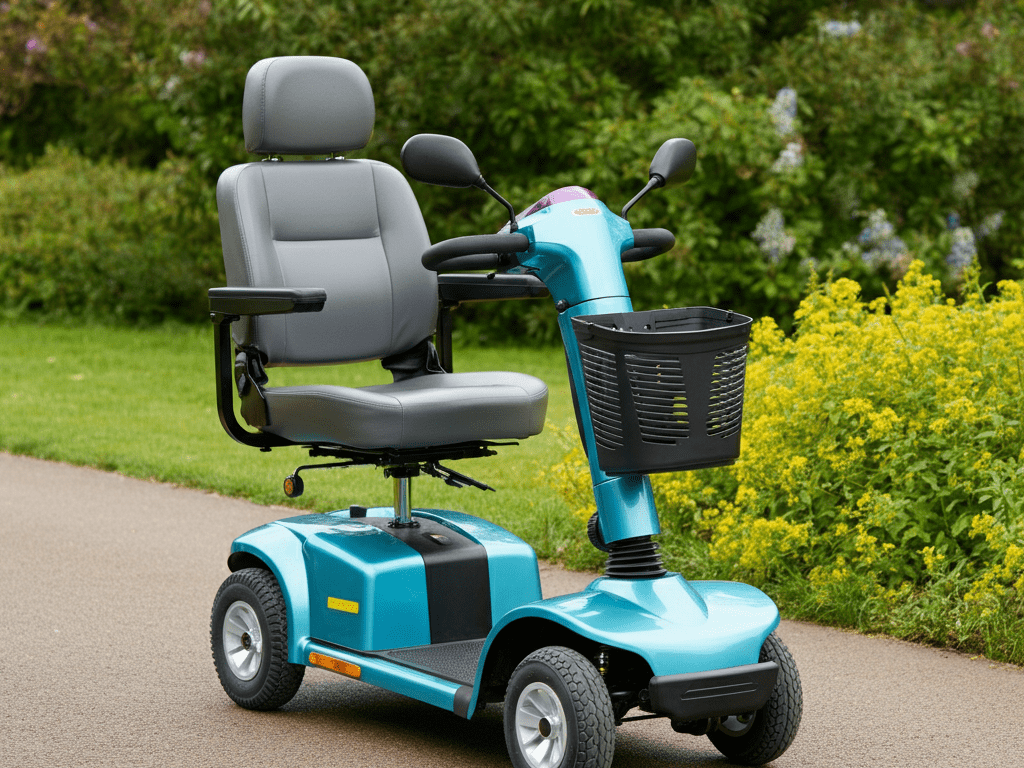
Mobility scooters have become a favorite option for seniors whose arthritis limits long-distance walking but who still want freedom and independence.
Why Scooters Help Arthritis Patients
- No pressure on painful joints
- Cushioned seating reduces stiffness
- Easy controls require minimal hand strength
- Smooth rides reduce impact on hips and knees
Modern scooters include adjustable steering, padded armrests, extended battery life, and shock suspension — features designed to reduce joint discomfort.
5. Transfer Aids Helpful for Arthritis-Related Stiffness

Many seniors with arthritis experience stiffness when getting out of bed, standing up after sitting, or moving from one room to another. This is where transfer aids become extremely useful.
Types of Transfer Aids for Arthritis
- Swivel cushions
- Transfer boards
- Lift-assist cushions
- Grab handles
- Bed rails
These tools reduce joint pressure and make transitions smoother, safer, and less tiring.
If your home needs small adjustments to better support movement with arthritis, our Home Mobility Safety Consultation can help identify which transfer tools will make daily routines easier:
6. How to Choose the Right Mobility Aids for Arthritis

Selecting the perfect Mobility Aids For Arthritis device means understanding the type of arthritis, severity, and daily lifestyle needs. Here’s what to consider:
1. Pain Severity
- Mild pain → cane or lightweight support
- Moderate pain → rollator or indoor scooter
- Severe pain → wheelchair or full-size scooter
2. Grip Strength
Arthritis often impacts hand and wrist joints too. Choose devices with:
- Soft handles
- Ergonomic shaping
- Easy brake systems
- Minimal pressure needed to push
3. Daily Environment
Think about where the device will be used most:
- Indoor hardwood floors
- Outdoors on uneven paths
- Long shopping trips
- Hospital or clinic visits
Rollators and scooters are especially versatile across different environments.
4. Lifestyle Goals
Some seniors want to stay active with daily walks. Others simply want safe indoor mobility. The right aid should support the lifestyle they want not restrict it.
5. Ease of Use
The device should never feel like a burden. Test for:
- Weight
- Folding mechanism
- Maneuverability
- Comfort during long use
7. Why the Right Mobility Aids for Arthritis Can Transform Life

Arthritis doesn’t have to limit independence. With the right support:
- Walking becomes less painful
- Fatigue reduces significantly
- Balance improves
- Confidence increases
- Daily tasks feel manageable again
More importantly, seniors regain a sense of freedom whether it’s going outdoors, visiting friends, or simply moving around the house without fear of falling.
Thanks to modern advancements and personalized services, choosing the right mobility aids for arthritis in 2025 is easier than ever. MyRideAid helps seniors and families make decisions with clarity, honesty, and comfort in mind.
FAQs
1. Which mobility aid is best for arthritis in the knees?
Rollators are typically the best because they reduce knee pressure while offering balanced support.
2. What mobility aid should I choose for severe arthritis?
A lightweight wheelchair or a mobility scooter is ideal for severe joint pain or limited endurance.
3. Can mobility aids worsen arthritis?
Not if chosen correctly. The right device reduces strain on joints and supports proper posture.
4. Are canes good for arthritis?
Yes especially ergonomic canes with padded handles and shock-absorbing tips.
5. How do I know which mobility aid fits my condition?
Consider pain level, grip strength, daily routines, and home environment. MyRideAid’s assessment services can help.