
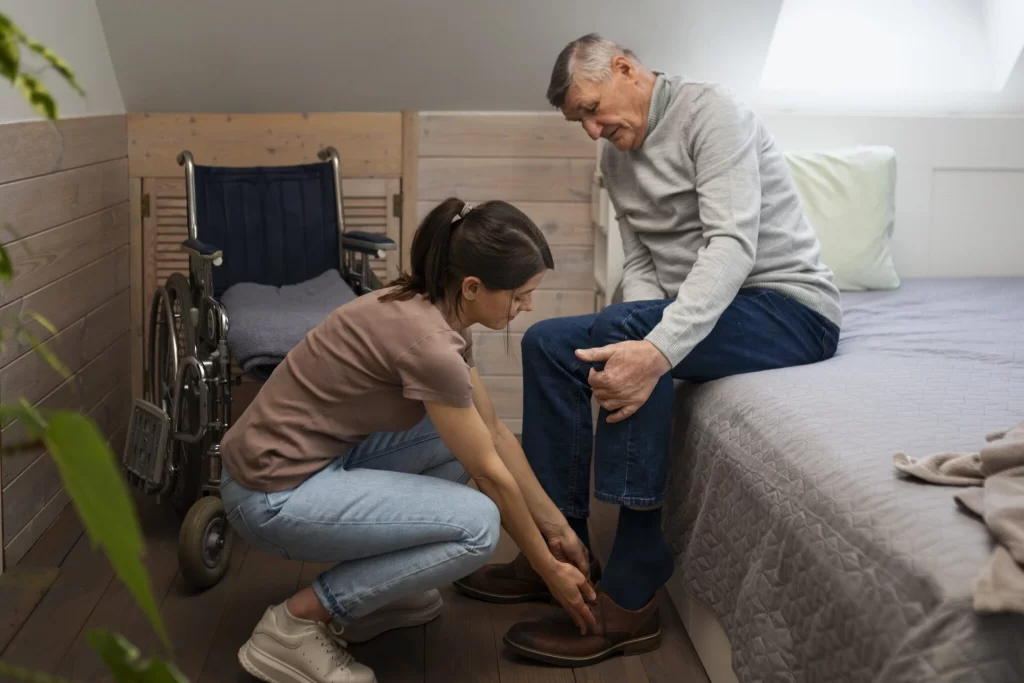
Affordable Home Safety Upgrades for Elders
When we think of helping our senior loved ones age well, we often think of mobility aids, doctor visits, medications but one of the most powerful areas is the place where they spend most of their time home.
A carefully designed home safety upgrades can be a sanctuary for independence rather than a barrier. And best of all many of the modifications don’t have to cost a fortune.
If you’re looking for smart, affordable ways to upgrade a home for an older adult whether it’s your parent, grandparent, or friend this guide is for you.
We’ll walk through why these changes matter, what to focus on first, how to budget, and how existing services can help you identify the right changes for your unique situation.
Why Home Safety Upgrades Matter
The numbers tell the story clearly: according to the Centers for Disease Control and Prevention (CDC), one out of every four adults aged 65+ falls each year in the U.S.
Even more concerning: more than half of falls among older adults happen at home. Making strategic home safety upgrades can significantly reduce risk.
Beyond risk reduction, it’s about preserving dignity and independence. When seniors feel safe walking from the bedroom to the bathroom, or getting out to the porch, they’re more likely to stay engaged, active, and emotionally healthy.
Homes that adapt to changing mobility needs can delay the need for more intensive care or moving into assisted living.
Start with a Simple Assessment
Before purchasing grips, rails, or ramps, the best first step is a walk-through of the home with your loved one—and ideally with a professional.
A home safety upgrades professional can spot hidden risks (loose rugs, low lighting, high closet shelves, narrow doorways).
Many services offer a Home Mobility Safety Consultation (or equivalent) that help families identify risk areas and affordable solutions.
During the walkthrough, pay attention to:
- Areas where your loved one hesitates or uses furniture for support
- Spots where falls have happened or almost happened
- Lighting levels, especially in hallways, stairwells, bathrooms, and outdoor paths
- Floor changes and transitions (carpet to tile, steps, thresholds)
- Whether doors and furniture are easy to open/close without strain
Once you recognise the most urgent spots, you can prioritise upgrades by safety impact and budget.
Affordable Upgrade Ideas That Deliver Big

1. Improve Lighting & Visibility
One of the easiest and most effective changes is upgrading lighting. Poor lighting contributes to falls, especially in transitional zones (bathroom to hallway, stairs). Installing LED bulbs, motion-sensor night lights, and flood lighting outside are relatively low cost but high impact.
2. Install Grab Bars & Handrails
Bathrooms, bedrooms, and stairs often lack the support older adults need. Installing grab bars near the toilet, in the shower, next to beds, and along stairways provides steady anchors. A sturdy handrail along outdoor steps or a porch makes a big difference. Most grab bars cost under US$50 each but can save thousands in fall-related injury costs.
3. Non-Slip Flooring & Mats
Slippery surfaces are a consistent risk. Consider: installing non-slip treatments on tile, replacing loose rugs with anchored versions, using non-slip mats in bath/shower, and making sure thresholds are low or ramped. These tweaks cost little yet significantly reduce risk.
4. Clear Walkways & Reduce Clutter
Often overlooked, clutter and furniture collisions contribute to trips. A “clear path” policy: remove cords, reorganise furniture, keep frequently used items within reach, and ensure that walkways (indoors and out) are wide and obstacle-free. This is one of the most cost-friendly upgrades you can make.
5. Adaptive Furniture & Bed Support
Getting in and out of bed, chairs, or couches can become harder with age or mobility decline. Consider raised-seat chairs, adjustable beds, bedside supports (rails), and bed height modifications. While this may cost a bit more than a grab bar, it still typically comes in far less than full re-modelling.
6. Entry & Exit Support: Ramps and Thresholds
If your loved one uses a mobility aid (walker, rollator, scooter) or simply holds onto handrails, ensuring the front/back entrance is safe is key. A simple threshold ramp or handrail by the entry step can support independence without major expense.
7. Smart and Assistive Devices
Technology doesn’t have to be expensive: motion-sensor lights, wearable fall-alert pendants (when combined with a service plan), tablet-based communication aids, and even simple voice-activated lights can help. As one fact shows, homes with assistive tech show decreased hospital readmissions and higher satisfaction among seniors.
Budgeting & Prioritising
Because budgets are real, let’s talk about how to prioritise. One study found that every US$1 invested in home safety upgrades for older adults returned about US$3 in reduced healthcare costs over a five-year period. That makes many upgrades financially smart.
Here’s a simple prioritisation framework:
- High-risk areas first: bathroom, stairs, entrance/exit.
- Low-cost high-impact upgrades: lighting, grab bars, remove clutter.
- Mid-cost items: raised furniture, threshold ramps, adaptive chairs.
- Long-term devices: smart sensors, full-room re-modelling (only if needed later).
- Ongoing review: revisit annually and upgrade as mobility or health changes.
Using a structured service that offers assessment and planning helps you make those prioritisation decisions confidently for example a Personalised Mobility Planning Service that takes into account the senior’s mobility level, home layout, and budget.
How to Use Services to Support Your Upgrade Process
Working with a professional service gives you added confidence. A Home Mobility Safety Consultation identifies the immediate hazards and creates an upgrade plan. A Mobility Assessment (or Planning) Service helps match the senior’s movement style with the right upgrades and aids.
You might book a combined service: first the assessment to see mobility level and needs, then the safety consultation to address the home environment. With that, you’ll get a cost-effective action list instead of random purchases.
For example, you might include:
- A professional walk-through of the house
- A checklist of suggested upgrades (with cost tiers)
- Guidance on which upgrades to do first
- Advice or sourcing help for appropriate mobility aids or home furniture adjustments
These services help you avoid the “buy everything at once” trap. Instead you make gradual, meaningful changes aligned with the senior’s daily life and budget.
Building a Safe, Supportive Routine
Upgrades matter, but so does how they’re used and maintained. Here are routines to incorporate:
- Weekly safety check: inspect lighting, look for loose floor mats, check grab bars.
- Monthly mobility review: ask your loved one how they feel; is anything new painful or hard?
- Seasonal outdoor check: ensure outdoor paths, steps, and railings are clear, non-slip, and well-lit.
- Device servicing: mobility aids, wheels, ramps check wear and replace when needed.
- Conversation: ask open-ended questions like “Is there anywhere you avoid now because you feel unsteady?” or “Would you like me to help move that chair over so you have more room?”
This creates a culture of safety, rather than one major upgrade event and then forgetting about it.
Don’t Forget the Emotional Side
Home safety upgrades are practical but the emotional element matters. Seniors don’t just want safety; they want dignity, choice, and to feel cared for without being “treated.” Here’s how to approach it:
- Include them in decisions (“Do you prefer this grab bar over that one?”)
- Frame changes as “upgrades for more freedom” rather than “because you’re fragile”
- Celebrate successes (“I noticed you used your new chair without needing help—good job!”)
- Keep humour and connection alive: say “Let’s add the night light so we can avoid becoming stealth ninjas in the kitchen at midnight” rather than a stern lecture.
- Recognise their independence: ask their opinion, get their “yes” before changes, and help them maintain routines they enjoy.
Real-Life Upgrade Example
Imagine your dad, Tom, is 78 and starting to use a rollator because his knee is giving him trouble. He’s lived in the same two-storey house for 20 years and has always liked gardening and barbecues. He’s reluctant to climb the back steps alone now.
- You start with a walk-through with Dad during a Mobile Safety Consultation. You spot that the back step doesn’t have a handrail, the pathway lighting is dim, and there’s a loose garden hose lying across the patio — trip hazard.
- You budget for this year: grab bars for the inside of the house, a handrail for the back step, motion-sensor lights for the path, and a threshold ramp for the garden door.
- You simultaneously do a Mobility Assessment to check his walking strength, knee fatigue, and see if a rollator is sufficient or a scooter may be better in future.
- You implement the low-cost upgrades first (clear hose, lighting) then next month install handrail and ramp.
- Dad tries his rollator after the path improvements and says: “I actually feel safer walking to the garden again.” You celebrate that.
- Six months later you revisit: Dad now wants to entertain friends outside — you plan for a garden seating upgrade that’s easier for him to get in/out of. And you check his rollator again for wear, maybe upgrade to one with seat.
Because you combined home upgrades + mobility service + emotional support, Dad’s mobility and home satisfaction increased and you did it on a manageable budget.
Summary
Affordable home safety upgrades are one of the best investments you can make for a loved one’s well-being. They offer real impact without massive cost.
By combining an assessment of mobility needs, environment walkthroughs, targeted upgrades, and ongoing review, you create a safe, supportive home that matches your loved one’s lifestyle not just their limitations.
If you’re not sure where to begin, a Home Mobility Safety Consultation is the smart first step. Then, as mobility changes, the Personalised Mobility Planning Service will help you match aids and upgrades to real needs—not guesswork.
With that approach, you’re not just adapting the house you’re empowering independence, comfort, and dignity for your loved one.
FAQs
1. What are the most important home safety upgrades for elders?
Key upgrades include better lighting, grab bars in bathrooms, non-slip mats, handrails on stairs, and decluttering walkways. These provide the highest safety impact at a low cost.
2. How can I make home safety upgrades without spending too much?
Start with small, affordable changes such as adding night lights, securing rugs, installing basic grab bars, and improving bathroom traction. Prioritize rooms where falls are most likely.
3. Why is home safety so important for older adults?
Because most falls happen at home. According to the CDC, one in four older adults falls each year, and over 50% of these falls occur inside the home — often due to preventable hazards.
4. Do home safety needs change as elders age?
Yes. Mobility, balance, vision, and strength can change over time. It’s recommended to reassess the home environment yearly and add or adjust safety features as needed.
5. Should I get a professional assessment before making home upgrades?
A professional home safety or mobility assessment helps identify hidden risks and ensures upgrades match your loved one’s actual mobility needs avoiding unnecessary purchases.